Poultry farming involves several key aspects that contribute to the well-being of your flock. Understanding housing, feeding, breeding, and health provides a foundation for responsible bird care. This guide offers practical considerations for both beginners and experienced keepers.
Housing Essentials
- Provide adequate space: allow at least 2-3 square feet per bird inside the coop.
- Ensure proper ventilation to reduce moisture and ammonia buildup.
- Design nesting boxes and perches to accommodate natural behaviors.
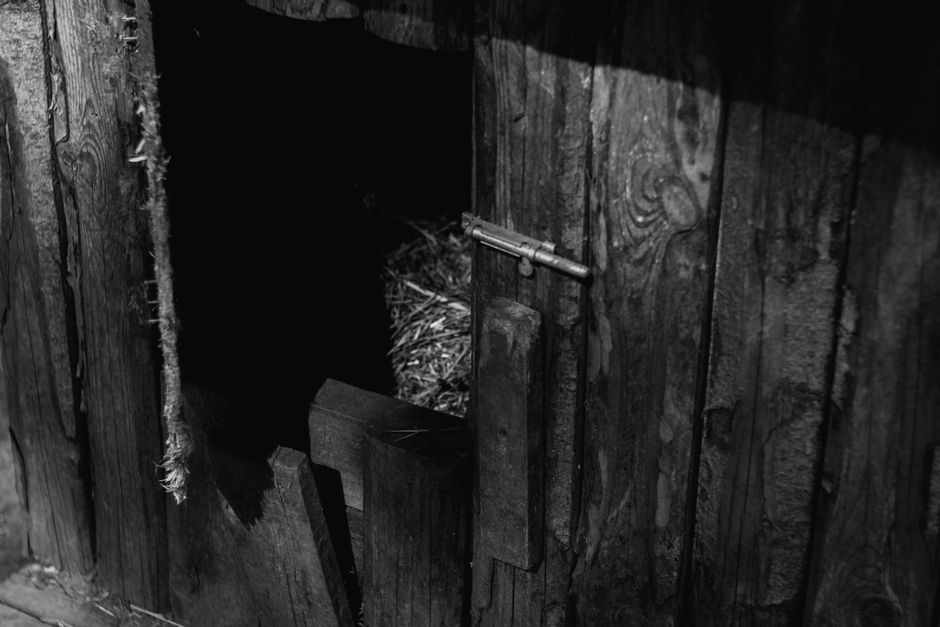
- Protect birds from predators with secure fencing and locking doors.
Feeding Practices
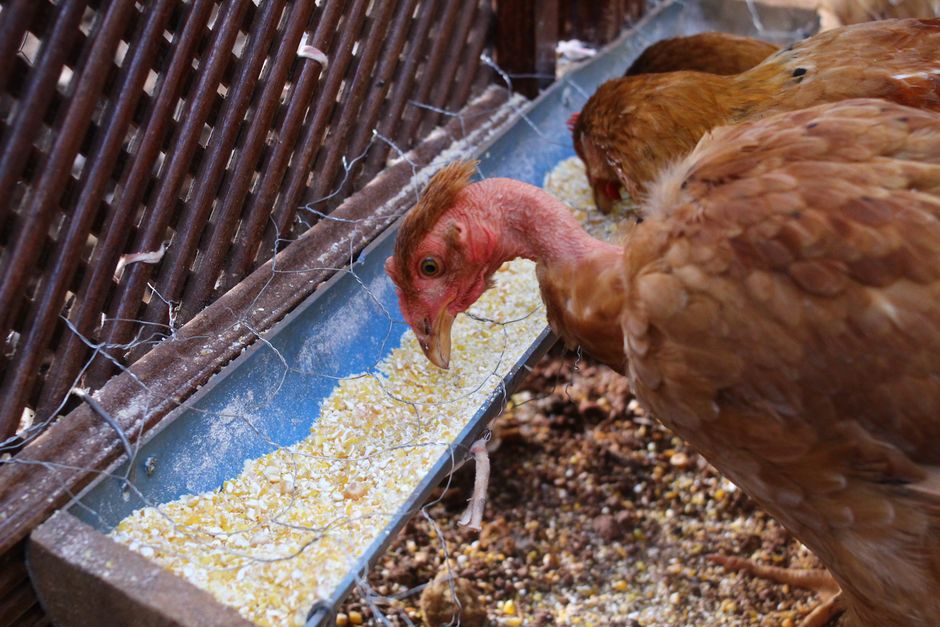
- Offer a balanced commercial feed appropriate for the bird’s age and purpose.
- Provide clean, fresh water at all times.
- Adjust feeding quantities based on activity level and weather conditions.
- Consider supplemental treats like greens or grains, but avoid overfeeding.
Breeding Considerations
- Select healthy, genetically diverse birds for breeding.
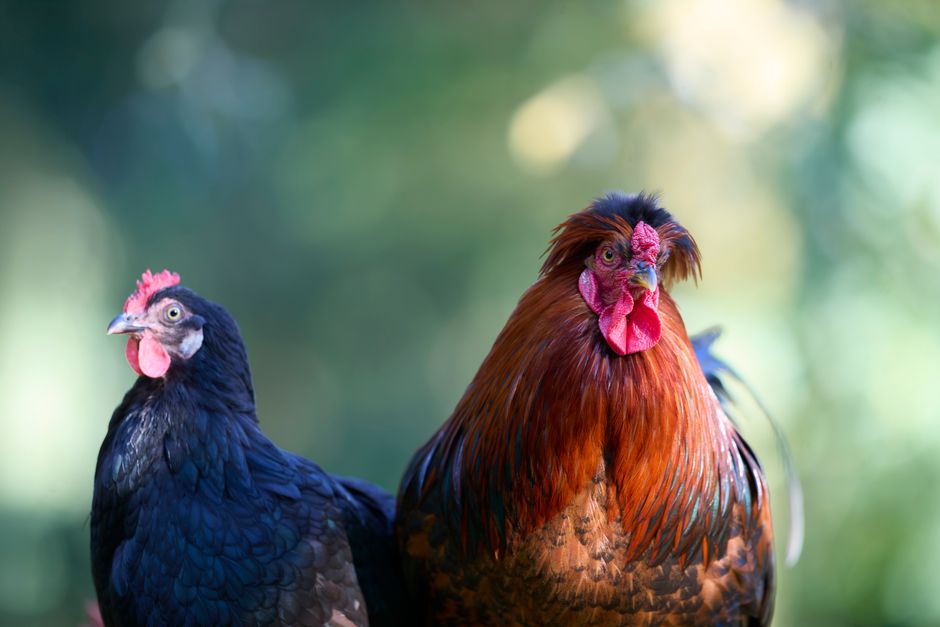
- Maintain appropriate male-to-female ratios (e.g., one rooster for every 8-12 hens).
- Provide adequate nutrition and a stress-free environment for breeding birds.
- Collect eggs regularly and store them properly if incubation is planned.
Health Management
- Monitor birds daily for signs of illness, such as changes in appetite or activity.
- Keep the living area clean and dry to prevent disease.
- Implement biosecurity measures like quarantining new arrivals.
- Consult a veterinarian for specific health concerns or vaccination schedules.
By focusing on these core areas, you create a supportive environment for your poultry. Adjust your practices based on observations and expert guidance to meet the needs of your flock.