Common Respiratory Diseases in Chickens
Respiratory diseases are among the most significant health challenges in poultry production, affecting both small backyard flocks and large commercial operations. These conditions can arise from a variety of pathogens, including viruses, bacteria, and fungi, and they often spread rapidly under conditions of stress, overcrowding, or poor ventilation. For chicken keepers, understanding the common signs of respiratory illness is the first step toward effective management and prevention. This article provides an overview of the most frequently encountered respiratory diseases in chickens, their typical symptoms, and the strategies that can be employed to reduce the risk of infection and support flock health.
The respiratory system of chickens is unique in its anatomy and function, with air sacs that extend throughout the body. This means that respiratory infections can quickly become systemic, affecting multiple organs and leading to severe health issues. Early recognition of clinical signs such as coughing, sneezing, nasal discharge, and labored breathing is crucial for implementing timely interventions. However, it is equally important to note that many respiratory diseases share similar symptoms, making accurate diagnosis essential. A veterinarian or diagnostic laboratory can provide definitive identification through testing, which is vital for selecting appropriate treatment and biosecurity measures.
In the context of flock management, prevention is often more effective than treatment. Maintaining a clean environment, ensuring adequate ventilation, and minimizing stress are foundational practices that can significantly reduce the incidence of respiratory disease. Vaccination programs, when available, also play a key role in protecting birds against specific pathogens. By combining good husbandry with a proactive health monitoring plan, chicken owners can create conditions that support the well-being of their flock and mitigate the impact of respiratory infections.
Understanding Respiratory Infections in Poultry
Respiratory infections in chickens are caused by a diverse group of pathogens that can affect the upper and lower respiratory tracts. Common viral agents include infectious bronchitis virus (IBV), Newcastle disease virus (NDV), and avian influenza virus (AIV). Bacterial pathogens such as Mycoplasma gallisepticum (MG), Mycoplasma synoviae (MS), and Pasteurella multocida (the cause of fowl cholera) are also frequent culprits. Fungal infections, particularly aspergillosis, can occur in environments with high mold spore levels. Each of these pathogens has distinct characteristics, transmission routes, and clinical presentations, which can influence the approach to control and management.
The clinical signs of respiratory disease can range from mild to severe, depending on the pathogen, the immune status of the birds, and environmental factors. Common indicators include coughing, sneezing, rattling breaths, nasal discharge, watery eyes, and swelling around the sinuses. Birds may also exhibit general signs of illness, such as reduced feed and water intake, decreased egg production, and lethargy. In some cases, respirations may become rapid or labored, and cyanosis (bluish discoloration of the comb and wattles) may indicate severe oxygen deprivation. Recognizing these signs early and understanding their potential causes is essential for initiating appropriate diagnostic and management steps.
Transmission of respiratory pathogens occurs primarily through direct contact between birds, inhalation of airborne particles, or ingestion of contaminated feed and water. Wild birds, rodents, and insects can act as mechanical vectors, and humans can carry pathogens on clothing, shoes, and equipment. Poor ventilation, high stocking density, and temperature fluctuations can exacerbate the spread of infection and increase the susceptibility of birds. Therefore, environmental management is a critical component of respiratory disease control. By maintaining optimal air quality, reducing dust and ammonia levels, and providing adequate space, the risk of respiratory challenges can be minimized.
Recognizing Symptoms of Respiratory Illness
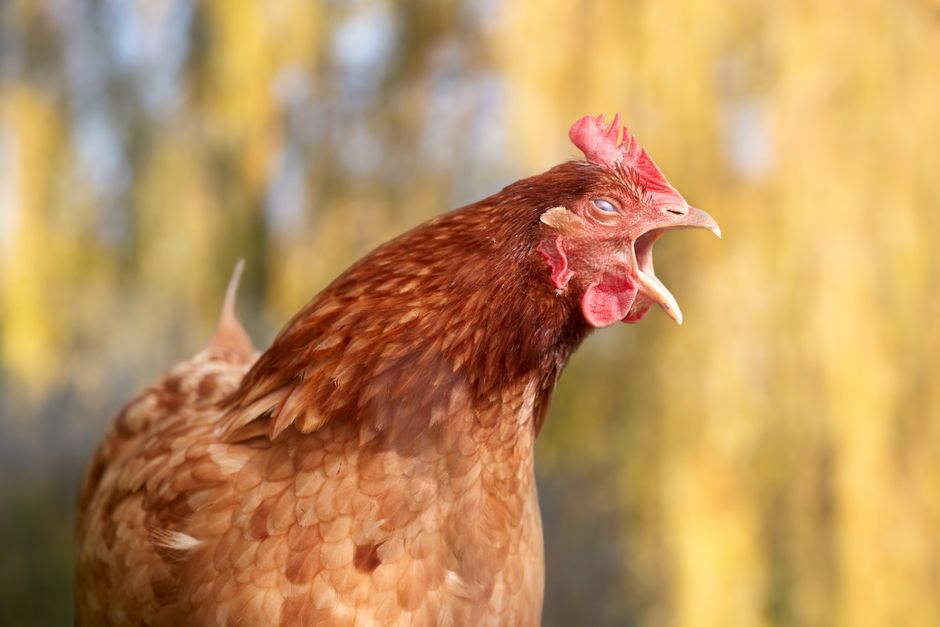
Symptom recognition is a fundamental skill for poultry keepers, as early detection can influence the course of an outbreak. While the specific signs may vary, there are several common clinical manifestations associated with respiratory infections. Coughing and sneezing are the most noticeable signs, often accompanied by nasal discharge that may be clear or mucoid. Birds may also exhibit a head-shaking behavior or rub their beaks on surfaces to clear their airways. Difficulty breathing, characterized by an open-mouth breathing or an extended neck posture, is a serious indication that the infection has progressed and requires immediate attention.
Beyond the respiratory tract, systemic effects may include reduced feed consumption and a subsequent drop in egg production. In laying hens, eggshell quality may deteriorate, and misshapen eggs may appear. Weight loss and poor growth in young birds are also common. Swollen infraorbital sinuses, which are located just below the eyes, can give the face a puffy appearance and are particularly associated with certain bacterial infections like Mycoplasma gallisepticum. In severe cases, birds may exhibit neurological signs or sudden death, especially with highly pathogenic viruses such as Newcastle disease.
It is important to note that some infections can be subclinical, meaning that birds may carry the pathogen without showing obvious signs. This is particularly true for mycoplasmosis, which can persist in a flock and be activated by stress. Therefore, regular health checks and monitoring of flock behavior are advisable. Observing feed and water intake, egg production, and behavioral changes can provide early clues. When respiratory signs are present, it is prudent to isolate affected birds and consult a veterinarian for a definitive diagnosis, as many diseases require specific testing for accurate detection.
Prevention: Biosecurity and Management Practices
Preventing respiratory diseases is more effective than treating them, and a robust biosecurity plan is the cornerstone of disease prevention. Biosecurity involves a set of practices designed to prevent the introduction of pathogens into a flock and to limit their spread if they do enter. Key components include controlling access to the poultry area, disinfecting equipment and footwear, and isolating new birds before introducing them to the existing flock. Quarantine periods of at least 30 days are recommended for new or returning birds to observe for any signs of illness.
Environmental management also plays a crucial role in prevention. Good ventilation is essential to remove airborne pathogens, dust, and noxious gases such as ammonia. However, ventilation must be balanced with the need to maintain appropriate temperatures and avoid drafts. Bedding and litter should be kept dry and clean, as damp conditions favor the growth of molds and bacteria. Regular cleaning and disinfection of coops, feeders, and waterers can reduce pathogen loads. Additionally, minimizing stress is vital; stressors such as extreme weather, overcrowding, and nutritional deficiencies can weaken immune responses and make birds more susceptible to infections.
Vaccination is another important prevention tool, though its availability and use depend on the specific disease and the type of flock. Vaccines exist for infectious bronchitis, Newcastle disease, and fowl pox, among others, but they must be administered correctly and at the appropriate time. For mycoplasmosis, vaccination may be used in some commercial operations, but its efficacy can vary. It is essential to work with a veterinarian to develop a vaccination program tailored to the flock’s needs and the local disease prevalence. Even with vaccination, biosecurity and good management remain the primary defenses against respiratory illness.
Treatment Options: Supportive Care and Medical Intervention
When respiratory disease occurs, treatment strategies vary depending on the cause and severity. For viral infections, there is no specific cure, so supportive care and management of secondary infections are the primary focus. Supportive care can include ensuring adequate access to clean water and a balanced diet, providing a warm and comfortable environment, and reducing stress. In some cases, antibiotics may be prescribed to control secondary bacterial infections, but they are ineffective against viruses and should be used judiciously under veterinary guidance.
Bacterial infections, such as mycoplasmosis and fowl cholera, can be treated with antibiotics, but the choice of drug and duration of treatment should be based on culture and sensitivity testing to ensure efficacy. It is important to follow withdrawal periods for eggs and meat if the birds are used for production to avoid drug residues. For fungal infections like aspergillosis, antifungal medications may be used, but prevention through proper litter management and ventilation is key. In all cases, consulting a veterinarian is essential to determine the appropriate treatment plan and to avoid the development of antimicrobial resistance.
Monitoring the flock’s response to treatment is critical. If no improvement is observed within a few days, further diagnostic testing may be necessary. Additionally, infected birds should be isolated to prevent the spread of the disease. In severe outbreaks, it may be necessary to cull affected birds to protect the rest of the flock, but this decision should be made with professional advice. It is also important to note that even after recovery, birds may become carriers and can shed the pathogen intermittently, posing a risk to susceptible birds.
Conclusion: Building a Resilient Flock
Respiratory diseases in chickens are a multifaceted issue that requires a comprehensive approach to management. Understanding the common pathogens, recognizing early signs, and implementing preventive measures are all integral to maintaining a healthy flock. While treatment options exist, they are often most effective when used in conjunction with strong biosecurity and good husbandry practices. The goal is not only to treat outbreaks but to create an environment where respiratory infections are less likely to occur.
For poultry keepers, staying informed about the latest research and recommendations is valuable. Resources such as poultry extension services and veterinary professionals can provide up-to-date guidance. Additionally, maintaining detailed records of flock health and any disease incidents can help identify patterns and refine management strategies. By prioritizing prevention and remaining vigilant, chicken owners can significantly reduce the impact of respiratory diseases and support the long-term health of their flock.